

Learn how to get into nursing school, nursing school requirements, preparation steps, and a complete checklist to boost your chances of getting accepted into nursing school.
Nursing is one of the fastest-growing and most rewarding healthcare professions in the United States and around the world. Whether you’re a high school graduate dreaming of helping patients, a career changer looking for stability, or a medical assistant ready to take the next step, getting into nursing school is the crucial first milestone.
But here’s the truth: nursing school admissions can be competitive. Schools want to ensure that their students are academically prepared, emotionally resilient, and dedicated to the demands of the profession. This is why understanding nursing school requirements and following a detailed nursing school checklist is essential.
In this guide, we’ll cover everything you need to know and answer your questions about how to get into nursing school—from prerequisites, how to write a nursing school application essay, and application tips to interview strategies and financial preparation.

Why Nursing School Admission Matters
Before diving into the specifics, let’s answer the big question: why is nursing school so competitive?
- Growing demand: With nursing shortages across the U.S., programs are receiving more applicants than they can accept.
- High standards: Nurses must handle critical patient care, so programs ensure students are academically and emotionally capable.
- Licensure preparation: Nursing programs are structured to prepare students for the NCLEX exam. Schools want students who will succeed and pass.
Because of this, being proactive about nursing school preparation will give you the best chance of admission.
Step 1: Understand the Types of Nursing Programs
Different nursing paths exist, and your nursing school checklist will vary depending on which degree you pursue.
1. Licensed Practical Nurse (LPN/LVN) Programs
- Usually 12–18 months
- Focuses on basic nursing care
- Prepares you for the NCLEX-PN exam
2. Associate Degree in Nursing (ADN)
- Typically 2 years at community colleges
- Prepares students for the NCLEX-RN exam
- Great option for entry-level nursing
3. Bachelor of Science in Nursing (BSN)
- 4-year degree program
- Includes leadership, research, and public health training
- Preferred by many hospitals and employers
4. Accelerated BSN (ABSN)
- 12–18 months
- Designed for students who already hold a bachelor’s degree in another field
5. Direct-Entry MSN Programs
- For those with non-nursing bachelor’s degrees
- Leads directly to a Master of Science in Nursing
👉 Tip: Research your target program early to confirm its nursing school requirements. Each pathway has unique prerequisites.
Step 2: Meet the Academic Requirements
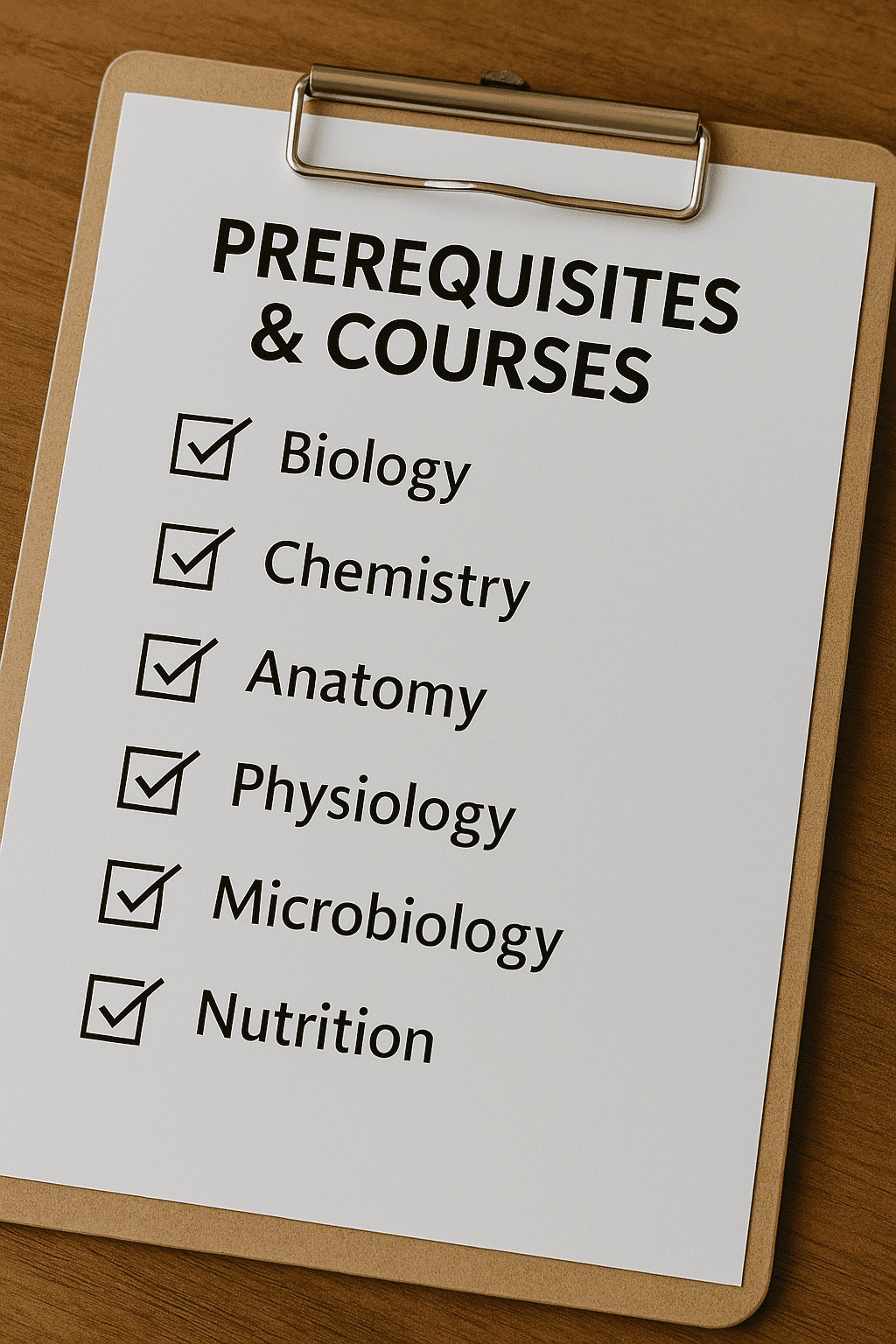
Every nursing school has its own admissions standards, but here are the most common nursing school requirements:
High School Preparation
If you’re planning ahead, focus on:
- Biology
- Chemistry
- Anatomy & Physiology
- Algebra/Statistics
- English composition
Prerequisite College Courses
Before applying to an ADN or BSN program, you’ll likely need:
- Microbiology with lab
- Anatomy & Physiology I and II
- Nutrition
- Psychology
- Statistics
GPA Expectations
Most schools require a minimum GPA of 2.75–3.0, but competitive programs often prefer 3.5 or higher.
👉 Pro Tip: If your GPA is lower, strengthen your application with strong entrance exam scores or relevant healthcare experience.
Step 3: Take the Nursing School Entrance Exams

Many nursing schools require standardized entrance exams to evaluate academic readiness. The most common are:
- TEAS (Test of Essential Academic Skills): Assesses math, science, English, and reading comprehension.
- HESI A2 (Health Education Systems, Inc. Admission Assessment): Tests math, science, reading, and sometimes personality/learning style.
Preparation strategies:
- Purchase a TEAS or HESI prep book.
- Take online practice exams.
- Schedule study sessions at least 6–8 weeks before test day.
Step 4: Gain Healthcare or Volunteer Experience
While not always required, relevant experience can set you apart. Consider:
- Volunteering at hospitals or clinics
- Working as a CNA (Certified Nursing Assistant)
- Shadowing nurses to understand the profession
This demonstrates your commitment and helps you answer interview questions more confidently.
Step 5: Prepare Your Nursing School Application

Now comes the paperwork. Most applications will include:
Application Checklist
✅ Completed application form
✅ Official transcripts
✅ Test scores (TEAS, HESI, SAT/ACT if required)
✅ Letters of recommendation (2–3, preferably from professors or healthcare supervisors)
✅ Personal statement or admissions essay
✅ Application fee
Personal Statement Tips
Your Nursing School Application Essay is your chance to show passion and dedication. Make sure to:
- Explain why you want to be a nurse.
- Share meaningful experiences in healthcare or service.
- Highlight resilience, compassion, and problem-solving.
👉 Example: Instead of writing, “I want to be a nurse because I like helping people,” describe a specific situation where you helped someone and how it inspired you.
Step 6: Nail the Nursing School Interview
Not all nursing programs require interviews, but if yours does, preparation is key.
Common Interview Questions
- “Why do you want to become a nurse?”
- “How do you handle stress and long hours?”
- “Tell us about a time you overcame a challenge.”
Interview Tips
- Dress professionally.
- Research the school’s values and mission.
- Practice answers but keep them natural.
- Show empathy and communication skills.
Read: Top 20 Nursing School Interview Questions
Step 7: Understand Background Checks and Health Requirements
Because nurses work directly with patients, most schools will require:
- Criminal background check
- Drug screening
- Immunization records (MMR, Hepatitis B, Varicella, Tdap)
- Current CPR certification
👉 Add this to your nursing school checklist early so you’re not scrambling at the last minute.
Step 8: Financial Preparation
Nursing school can be expensive, but financial aid and scholarships are widely available.
Tuition Estimates
- ADN programs: $6,000–$20,000
- BSN programs: $40,000–$100,000 (depending on public/private)
- Accelerated BSN: $30,000–$70,000
Financial Aid Options
- Federal student loans (FAFSA required)
- Grants (Pell Grant, state programs)
- Nursing-specific scholarships (Johnson & Johnson, HRSA)
- Loan repayment programs for nurses working in underserved areas
👉 Pro Tip: Apply early for scholarships—deadlines often fall months before classes begin.
Step 9: Organize with a Nursing School Checklist
Here’s a simplified nursing school preparation checklist you can use:
Academic Preparation
- Complete prerequisite courses
- Maintain competitive GPA
- Prepare for TEAS/HESI exam
Application Materials
- Request transcripts
- Gather letters of recommendation
- Write personal statement
- Submit application
Additional Requirements
- Gain healthcare/volunteer experience
- Schedule and pass background check/drug screen
- Update immunizations and CPR certification
Financial Planning
- Complete FAFSA
- Apply for scholarships
- Budget for tuition, books, uniforms, and supplies
Step 10: Stay Motivated During the Waiting Period
After applying, you may wait weeks—or months—for a decision. Use this time wisely:
- Continue healthcare experience.
- Brush up on anatomy/physiology to prepare for classes.
- Strengthen time-management skills.
Common Mistakes to Avoid in Nursing School Applications
- Missing prerequisites or deadlines
- Submitting a generic personal statement
- Failing to prepare for the entrance exam
- Overlooking financial aid opportunities
- Neglecting health or background check requirements
Your Path to Nursing School Success
Getting into nursing school can feel overwhelming, but with the right nursing school checklist, preparation, and persistence, you can succeed. Remember that schools aren’t just looking for grades—they want students who are committed, compassionate, and ready to thrive in a demanding profession.
By following this complete guide to nursing school requirements and nursing school preparation, you’ll set yourself up for success—not just in the application process, but in your nursing career.